Learn Languages Through Stories
Reading and listening to stories is one of the most effective ways to learn a new language naturally.
LinguaVerseSchool provides graded stories with synchronized audio, vocabulary support, and difficulty levels based on the CEFR (Common European Framework of Reference).
These stories are designed for language learners who want to improve reading comprehension, vocabulary, and listening skills through engaging narratives rather than traditional textbooks.

La Compétition de Cuisine
495 words
Difficulty: 9

La découverte artistique
507 words
Difficulty: 8
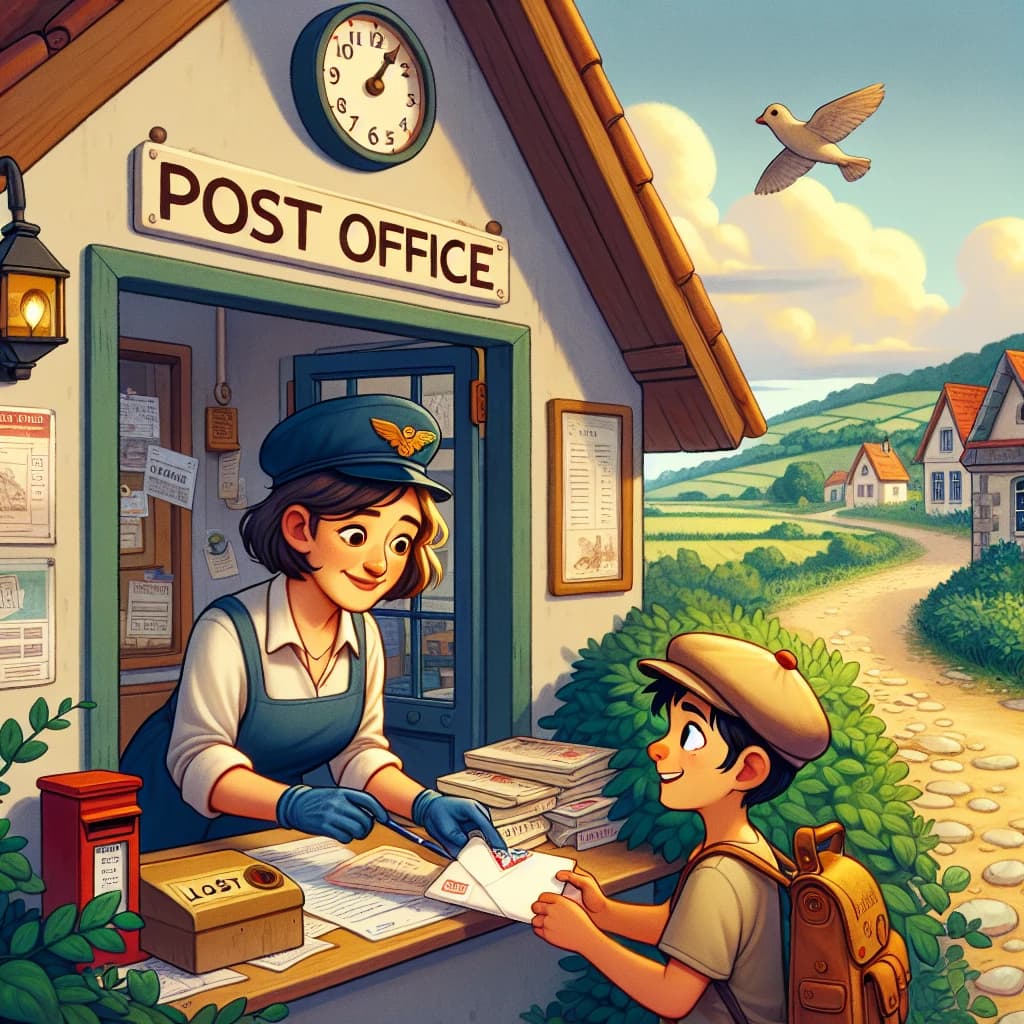
La lettre mystérieuse
430 words
Difficulty: 7

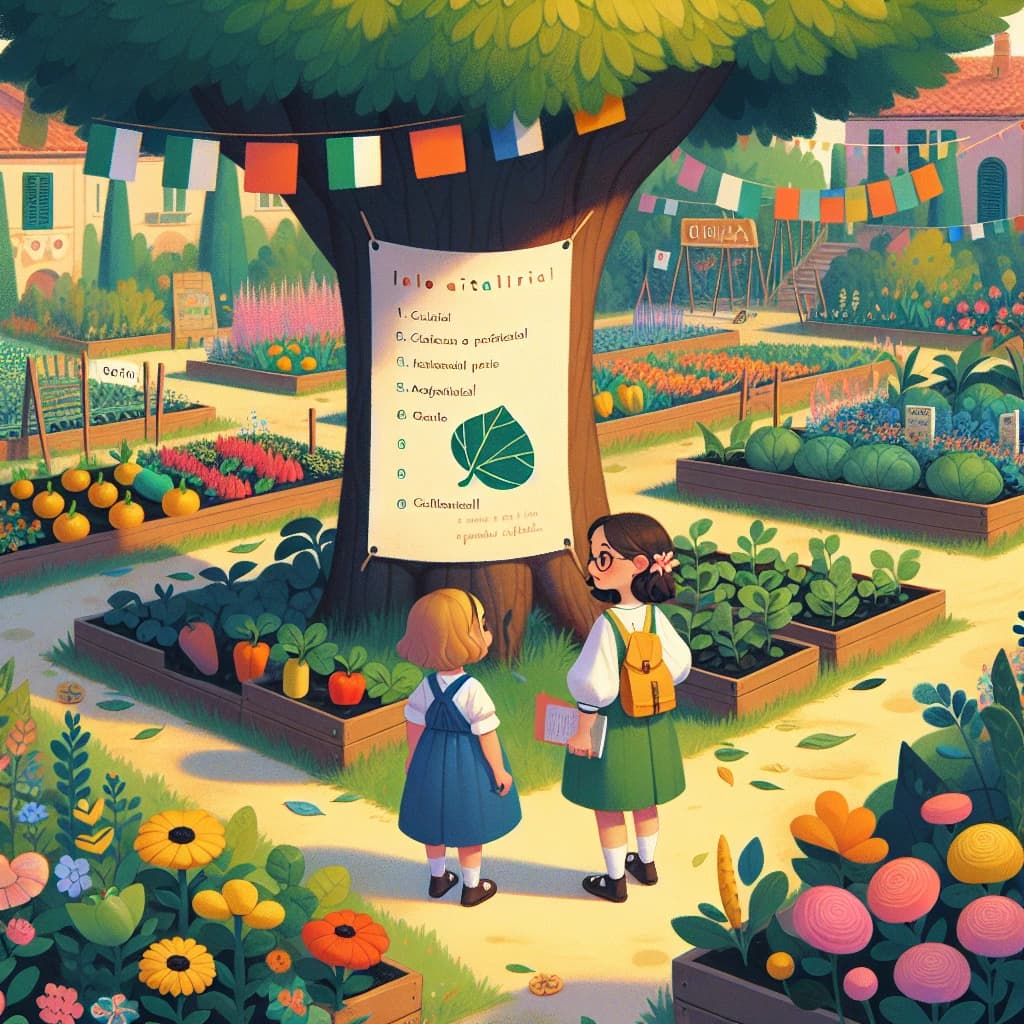
Le jardin de la compétition
394 words
Difficulty: 6

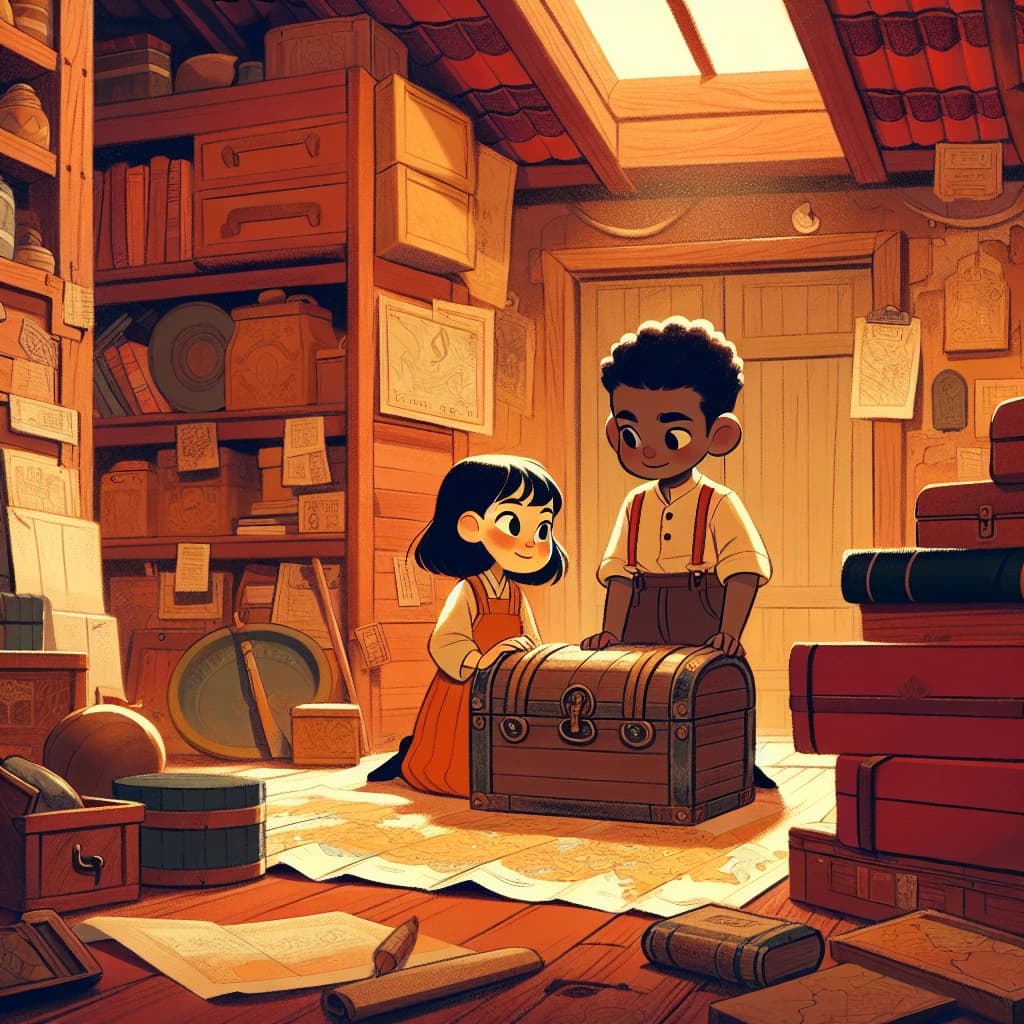
Une découverte surprenante dans le grenier
409 words
Difficulty: 5

Die Überraschungsparty für Sophie
265 words
Difficulty: 5

Der große Pizza-Wettkampf
330 words
Difficulty: 4

Das geheimnisvolle Buch
314 words
Difficulty: 3

Das lebendige Buch
235 words
Difficulty: 2

Die Schatzsuche in der Bibliothek
207 words
Difficulty: 1



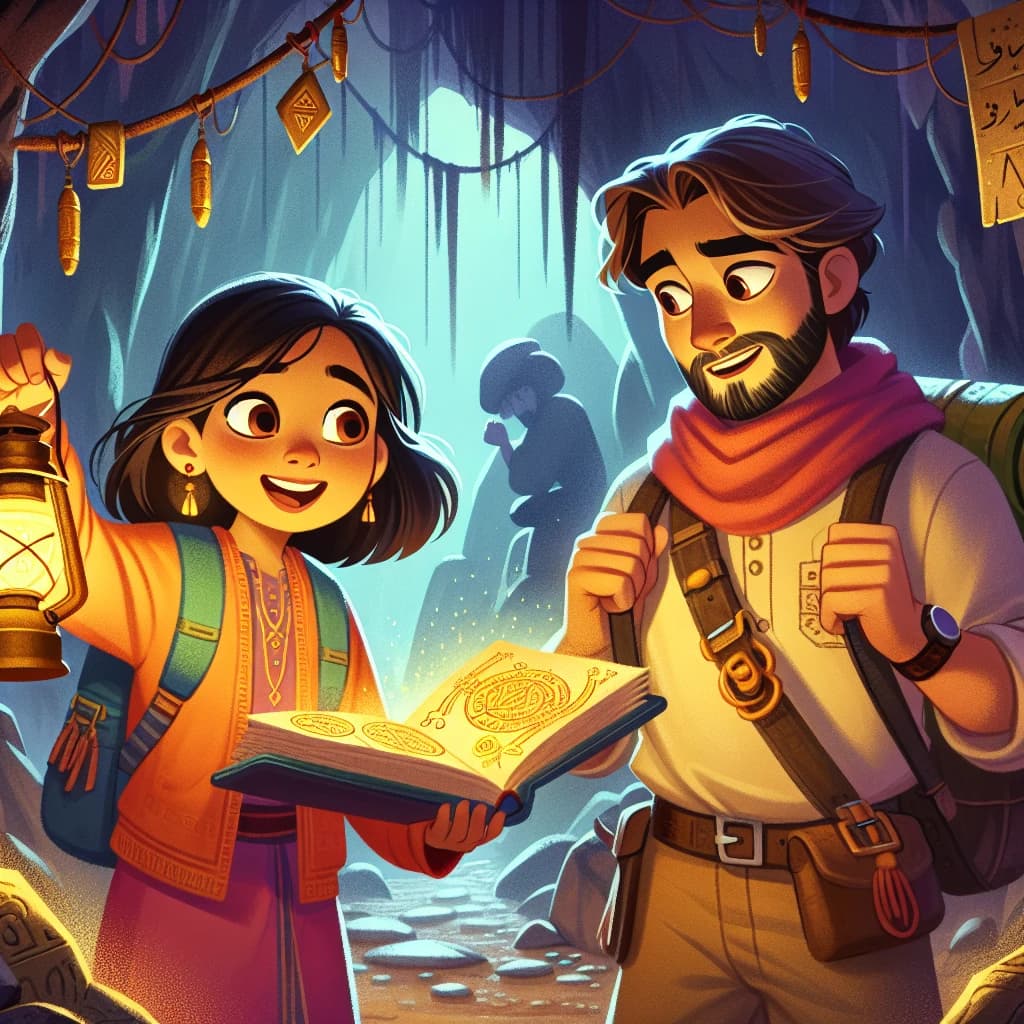
A Caça ao Tesouro na Caverna Esquecida
466 words
Difficulty: 9

O Mistério do Farol Abandonado
374 words
Difficulty: 8

A Biblioteca em Perigo
352 words
Difficulty: 7

O Jogo Misterioso do Sótão
362 words
Difficulty: 6
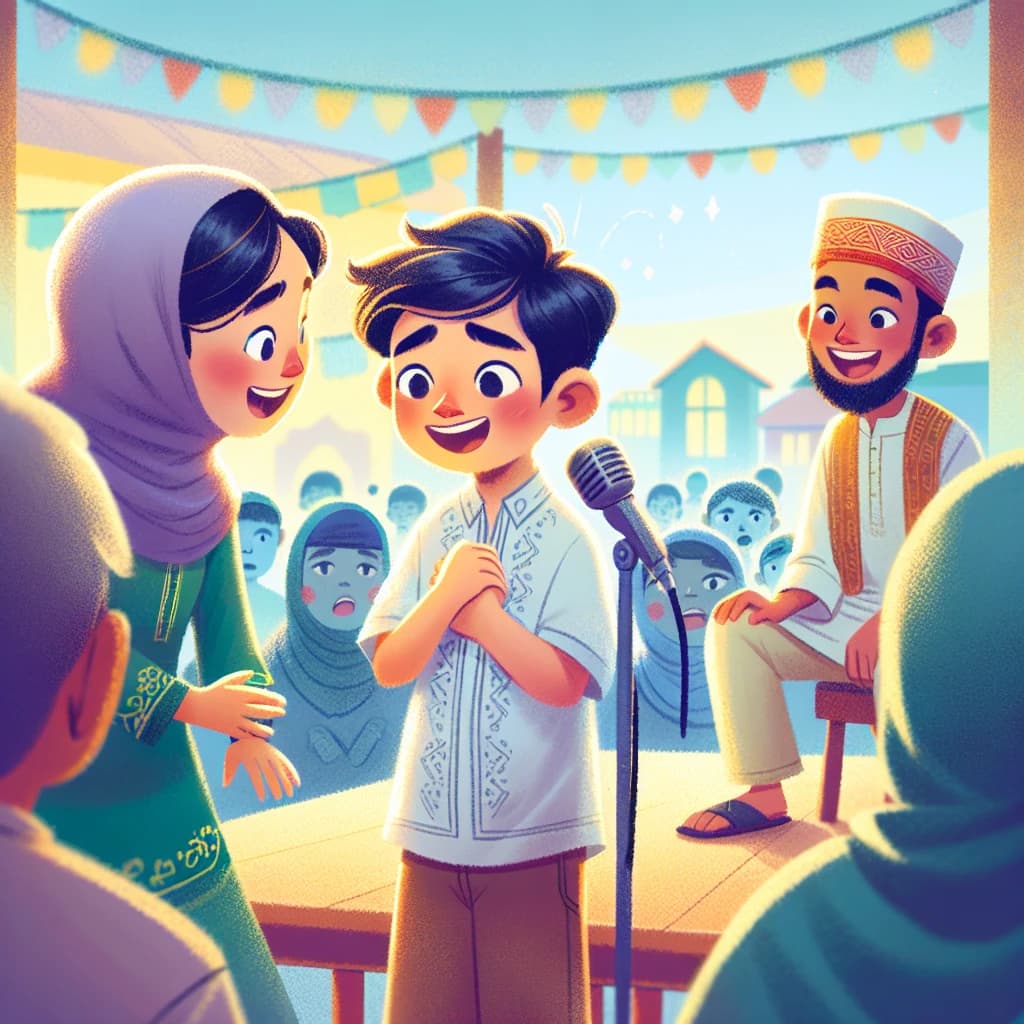
O Show de Talentos Escondido
300 words
Difficulty: 5
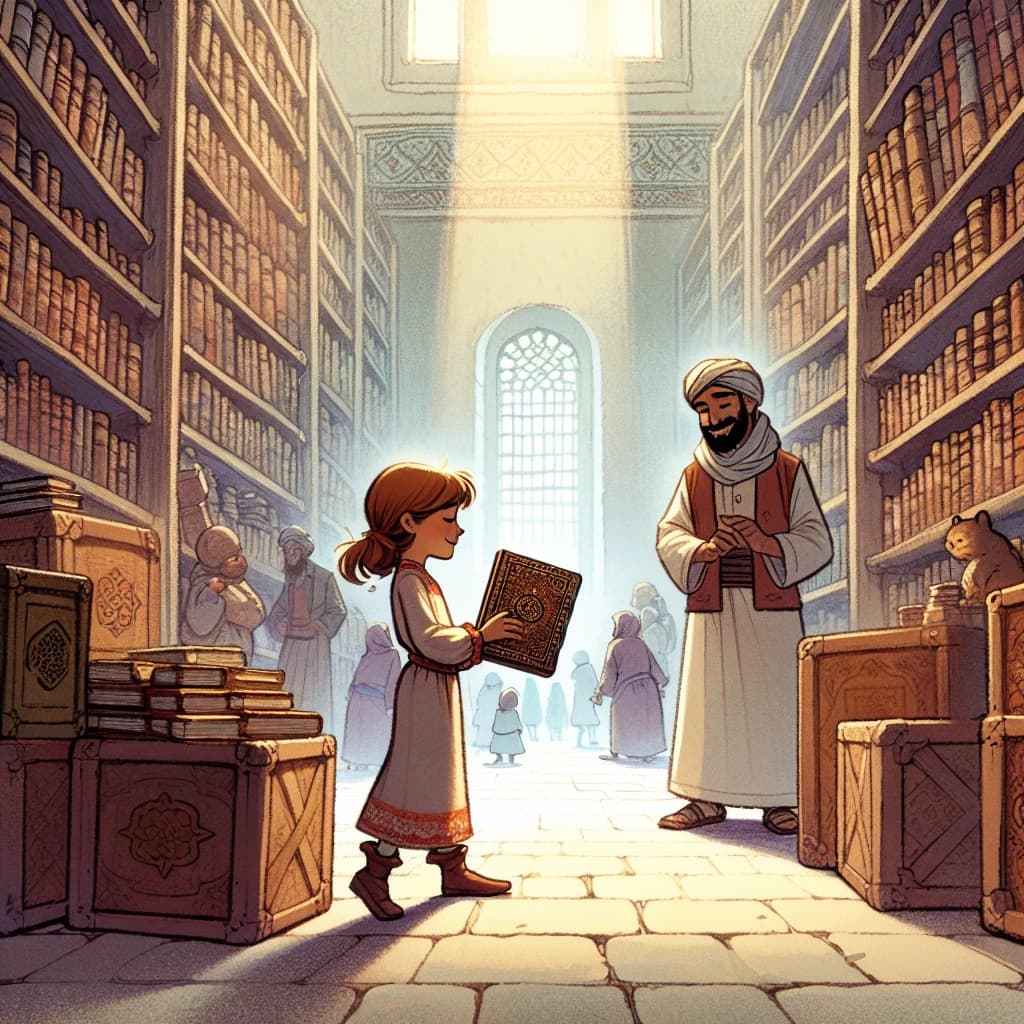
El libro misterioso
494 words
Difficulty: 8
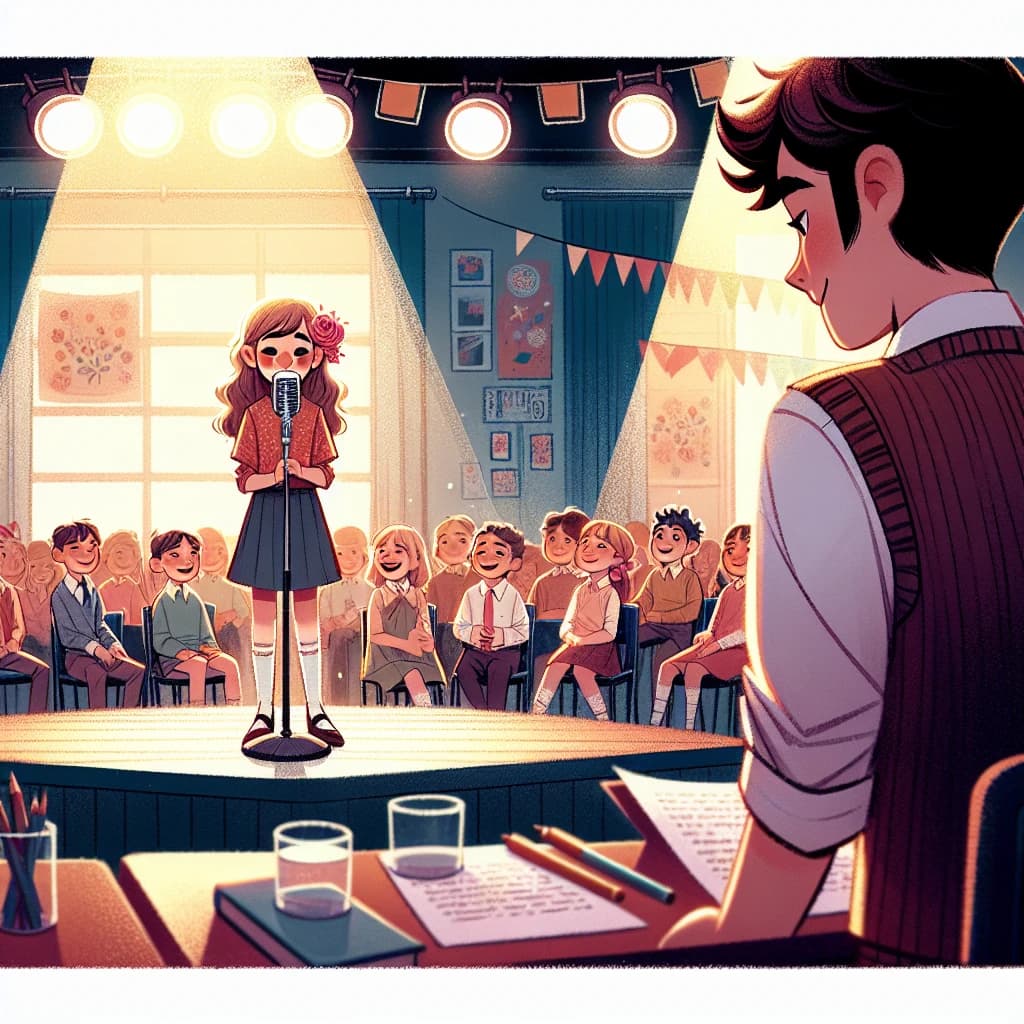
El Gran Concurso de Talentos
396 words
Difficulty: 7

Un encuentro en la biblioteca antigua
346 words
Difficulty: 5

El Gran Concurso de Talentos
301 words
Difficulty: 4

La búsqueda de Miau
316 words
Difficulty: 3
How to Learn Languages With Stories
Learning languages through stories helps learners absorb vocabulary and grammar naturally through context. Instead of memorizing isolated words or rules, you meet language in complete sentences, repeated patterns, and meaningful situations.
This makes it easier to remember what you read, notice how grammar works in real use, and connect written language with pronunciation when audio is available.
A simple approach is:
- Listen to the story first to hear pronunciation, rhythm, and sentence flow before you focus on every word.
- Read the story while listening to reinforce understanding and connect spelling, meaning, and sound at the same time.
- Re-read the story to build vocabulary familiarity and notice phrases and grammar that felt difficult the first time.
Repetition is part of the process. The more often you return to a story, the more automatic common vocabulary and sentence patterns become.
Why Story-Based Learning Works
Stories provide natural repetition of vocabulary, contextual grammar exposure, and engaging content that keeps learners motivated.
Research shows that reading comprehensible stories helps learners develop fluency faster than memorizing isolated vocabulary lists.